
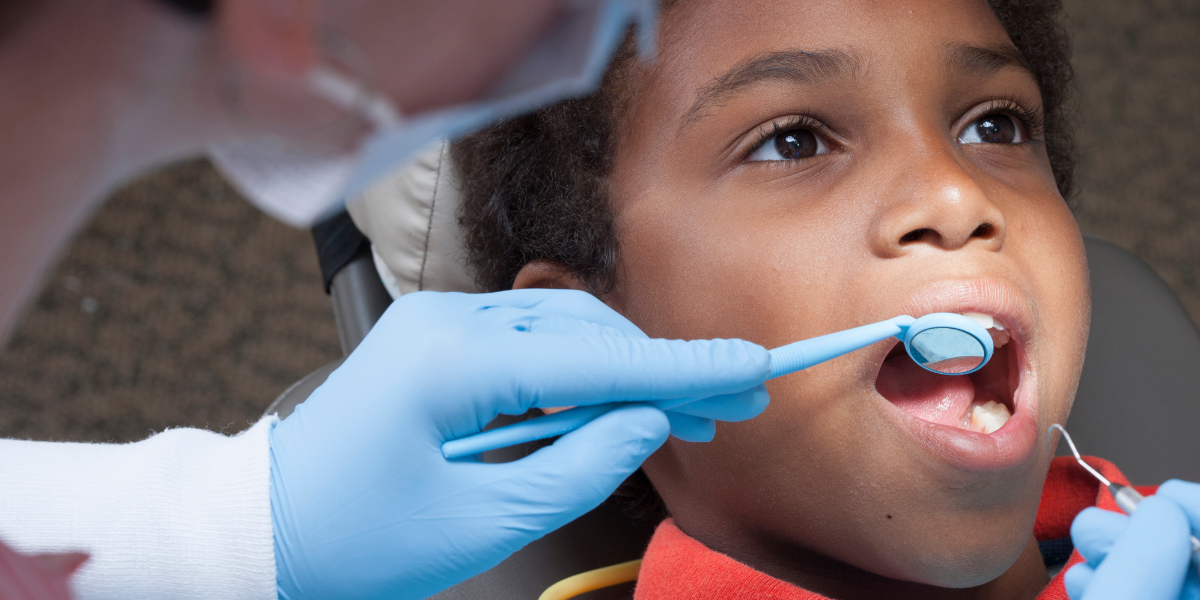
Behavioral guidance in pediatric dentistry helps children feel comfortable and cooperate during dental treatments. At Kids Corner Medical & Dental in Oakville, we use proven techniques to create positive experiences that build confidence for future visits. Understanding these pediatric dentistry approaches helps parents know what to expect and how to support their child’s dental care journey.
Tell-Show-Do Technique in Pediatric Dentistry
The tell-show-do method forms the foundation of communication in pediatric dentistry practices worldwide. This systematic approach reduces anxiety by eliminating surprises during treatment.
Tell phase of pediatric dentistry:
- Explain procedures using age-appropriate language
- Use friendly terms instead of scary medical words
- Describe what the child will hear, feel, or see
- Allow time for questions and concerns
Show phase techniques:
- Demonstrate procedures on models or stuffed animals
- Let children touch and explore dental instruments
- Show how equipment works in non-threatening ways
- Use mirrors so children can see what’s happening
Do phase implementation:
- Perform the actual procedure as described
- Maintain consistent communication throughout
- Praise cooperation and progress regularly
- Stop if child becomes overwhelmed or distressed
Age-specific adaptations:
- Toddlers need simple, concrete explanations
- School-age children can handle more detailed information
- Teenagers appreciate honest, straightforward communication
- Visual learners benefit from demonstrations and pictures
This pediatric dentistry technique builds trust by ensuring children know exactly what to expect during their treatment.
Positive Reinforcement in Pediatric Dentistry Settings
Positive reinforcement encourages good behavior and creates pleasant associations with pediatric dentistry visits.
Verbal praise strategies:
- Acknowledge specific good behaviors immediately
- Use enthusiastic, genuine praise throughout treatment
- Celebrate small accomplishments during procedures
- Focus on effort rather than just outcomes
Tangible reward systems:
- Sticker charts track progress over multiple visits
- Small toys or prizes for cooperation
- Certificates recognizing bravery or good behavior
- Special privileges like choosing music during treatment
Social reinforcement methods:
- Allow children to share achievements with parents
- Take photos of children in the dental chair
- Create positive peer interactions in waiting areas
- Share success stories with family members
Timing considerations:
- Immediate reinforcement works best for young children
- Delayed rewards can motivate older children
- Consistent reinforcement builds lasting positive associations
- Avoid reinforcement that might seem like bribery
Effective pediatric dentistry practices use reinforcement to make dental visits enjoyable rather than something to endure.
Voice Control Techniques in Pediatric Dentistry
Voice control in pediatric dentistry involves strategic changes in tone, volume, and pace to guide behavior effectively.
Tone variations:
- Calm, soothing voice for anxious children
- Firm but kind tone for limit-setting
- Enthusiastic voice for praise and encouragement
- Gentle whisper to capture attention
Volume adjustments:
- Quiet voice often gets better attention than loud
- Slightly raised volume for important instructions
- Matching child’s energy level when appropriate
- Using silence effectively to allow processing time
Pace modifications:
- Slower speech for anxious or younger children
- Quick, upbeat pace for excited or cooperative children
- Pauses to allow questions or concerns
- Rhythm that matches the child’s natural tempo
Language choices:
- Positive phrasing instead of negative commands
- “Open wide like a lion” rather than “don’t close your mouth”
- Descriptive words that create mental images
- Age-appropriate vocabulary and concepts
Voice control in pediatric dentistry requires skill and practice to use effectively without seeming manipulative or condescending.
Physical Guidance in Pediatric Dentistry Practice
Physical guidance techniques in pediatric dentistry help children maintain proper positioning while ensuring safety and comfort.
Gentle restraint methods:
- Parent or staff member provides comforting presence
- Protective stabilization for safety during procedures
- Graduated approach starting with least restrictive
- Always combined with verbal communication and comfort
Positioning assistance:
- Help children find comfortable positions in dental chair
- Support head and neck during procedures
- Guide hand placement away from treatment area
- Adjust chair and equipment for optimal access
Age-appropriate techniques:
- Toddlers may need more physical support and guidance
- School-age children often cooperate with verbal direction
- Teenagers typically require minimal physical guidance
- Special needs children may need individualized approaches
Safety considerations:
- Never use force or cause discomfort
- Explain physical guidance before implementing
- Monitor child’s emotional response continuously
- Stop if child becomes extremely distressed
Physical guidance in pediatric dentistry should always prioritize the child’s emotional well-being alongside treatment needs.
Distraction Techniques in Pediatric Dentistry
Distraction helps children focus on pleasant activities rather than dental procedures during pediatric dentistry visits.
Audio distractions:
- Favorite music or songs during treatment
- Audiobooks or stories for longer procedures
- Guided imagery with calming narratives
- Interactive conversation about interests
Visual distractions:
- Ceiling-mounted televisions or tablets
- Colorful, engaging artwork on walls
- Kaleidoscopes or visual toys
- Virtual reality systems for older children
Tactile distractions:
- Stress balls or fidget toys to hold
- Textured objects to explore
- Weighted blankets for comfort
- Favorite stuffed animals or comfort items
Interactive distractions:
- Counting games during procedures
- Breathing exercises with fun themes
- Simple hand signals for communication
- Role-playing games appropriate for age
Effective distraction in pediatric dentistry requires matching techniques to individual children’s preferences and developmental levels.
Building Long-Term Cooperation in Pediatric Dentistry
Successful behavioral guidance in pediatric dentistry creates positive patterns that improve with each visit.
Consistency across visits:
- Same staff members when possible
- Familiar routines and procedures
- Predictable office environment
- Regular reinforcement of positive behaviors
Progressive skill building:
- Start with simple procedures and build complexity
- Increase treatment time gradually as tolerance improves
- Celebrate improvements and milestones
- Address setbacks with patience and understanding
Family involvement:
- Educate parents about supporting good behavior
- Provide home practice activities
- Encourage positive talk about dental visits
- Address family anxiety that might affect children
At Kids Corner Medical & Dental, our pediatric dentistry team combines these behavioral guidance techniques to create individualized approaches for each child. We believe that positive early experiences in pediatric dentistry set the foundation for lifelong oral health and comfort with dental care.