
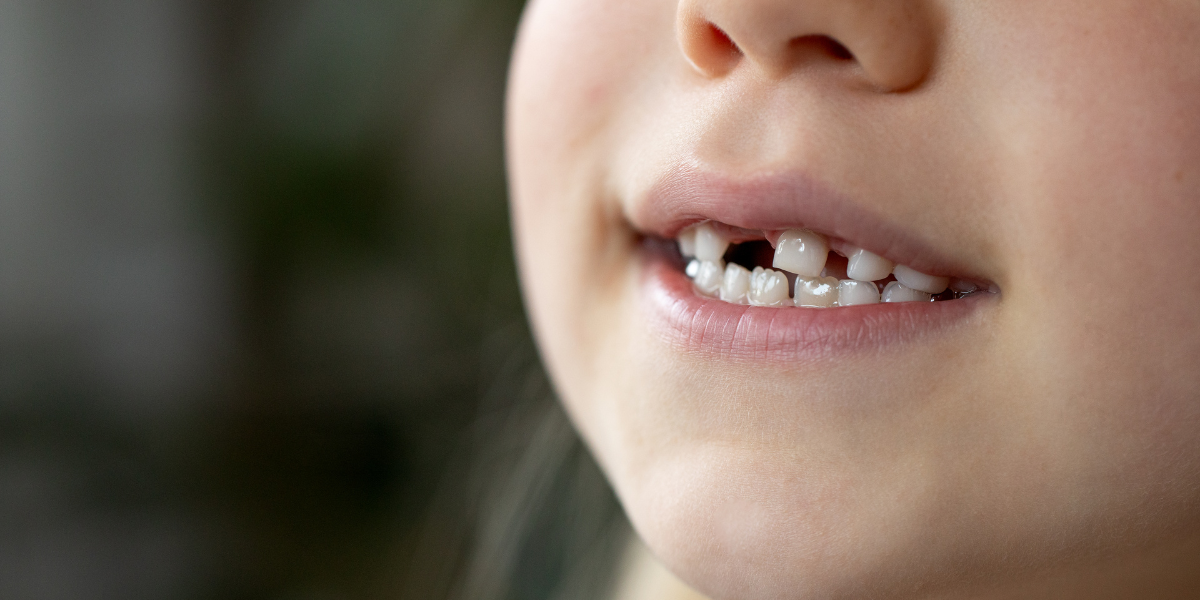
Growth monitoring by a kids dentist involves tracking your child’s dental development from infancy through adolescence. At Kids Corner Medical & Dental in Oakville, we carefully observe tooth eruption patterns, jaw growth, and developmental milestones during regular visits. Understanding how a kids dentist monitors development helps parents recognize the importance of consistent dental care for growing children.
Tooth Eruption Patterns Tracked by Kids Dentist
A kids dentist monitors specific tooth eruption timelines to ensure normal development and identify potential issues early.
Primary tooth eruption schedule:
- Central incisors appear around 6-10 months
- Lateral incisors emerge at 9-13 months
- First molars erupt between 13-19 months
- Canines appear around 16-22 months
- Second molars complete primary set at 25-33 months
Permanent tooth development timeline:
- First molars erupt behind baby teeth around age 6
- Central incisors replace baby teeth at 6-7 years
- Lateral incisors emerge around 7-8 years
- Canines and premolars appear between 9-12 years
- Second molars complete most eruption by age 13
What kids dentist looks for:
- Early or delayed eruption patterns
- Proper spacing between developing teeth
- Correct positioning as teeth emerge
- Signs of crowding or alignment issues
Documentation methods:
- Detailed charts track each tooth’s progress
- X-rays reveal developing teeth beneath gums
- Photos document changes over time
- Measurements assess available space
Your kids dentist uses this information to predict future orthodontic needs and plan preventive treatments when necessary.
Jaw Growth Assessment by Kids Dentist
Monitoring jaw development helps a kids dentist identify growth patterns that affect long-term oral health and function.
Upper jaw growth evaluation:
- Width measurements track palatal development
- Length assessment ensures adequate tooth space
- Height evaluation affects bite relationships
- Symmetry checks identify uneven growth patterns
Lower jaw development tracking:
- Forward growth progression monitored over time
- Relationship to upper jaw assessed regularly
- Chin position and profile changes documented
- Joint function evaluated during growth spurts
Growth timing considerations:
- Rapid growth periods around ages 6-8 and 11-13
- Gender differences in growth timing patterns
- Individual variation requires personalized monitoring
- Early intervention opportunities during active growth
Assessment techniques used:
- Clinical measurements during routine visits
- Cephalometric X-rays for detailed analysis
- Bite registration to track jaw relationships
- Facial photos document profile changes
A kids dentist coordinates with orthodontic specialists when growth patterns suggest early intervention might be beneficial.
Early Orthodontic Screening by Kids Dentist
Early orthodontic evaluation by a kids dentist identifies developing problems when treatment is most effective.
Age 7 screening recommendations:
- First permanent molars and incisors have erupted
- Mixed dentition allows assessment of future development
- Jaw growth patterns become more predictable
- Early intervention can guide proper development
Problems kids dentist identifies:
- Crossbites affecting jaw development
- Severe crowding requiring space management
- Protruding front teeth at risk for injury
- Underbites that may worsen with growth
Interceptive treatment options:
- Space maintainers preserve room for permanent teeth
- Palatal expanders address narrow upper jaws
- Partial braces guide specific tooth movements
- Habit appliances address thumb sucking or tongue thrusting
Timing considerations:
- Some problems benefit from early treatment
- Others are better addressed after more growth
- Individual assessment determines optimal timing
- Regular monitoring tracks changes over time
Your kids dentist works with orthodontic specialists to determine the best treatment timing for each child’s unique needs.
Developmental Milestones Monitored by Kids Dentist
A kids dentist tracks various developmental markers that affect oral health and function throughout childhood.
Speech development assessment:
- Tongue placement during speech sounds
- Clarity of specific letter pronunciations
- Age-appropriate speech milestone achievement
- Identification of speech delays related to dental issues
Chewing function evaluation:
- Ability to handle age-appropriate foods
- Proper chewing patterns and efficiency
- Swallowing function and tongue positioning
- Identification of feeding difficulties
Oral habit monitoring:
- Thumb sucking duration and intensity
- Pacifier use patterns and weaning progress
- Tongue thrusting or lip sucking behaviors
- Nail biting or other oral habits
Facial development tracking:
- Symmetry of facial growth patterns
- Lip competence and mouth breathing assessment
- Profile changes during growth periods
- Muscle function and coordination development
These developmental markers help your kids dentist identify issues that might affect long-term oral health and function.
Documentation and Communication by Kids Dentist
Comprehensive record-keeping allows a kids dentist to track development patterns and communicate effectively with families.
Growth record maintenance:
- Detailed charts document all developmental changes
- Digital photos track visual changes over time
- X-ray series show internal development progression
- Measurements create objective growth data
Parent communication strategies:
- Regular updates on child’s developmental progress
- Explanation of normal versus concerning changes
- Timeline predictions for future development
- Coordination with other healthcare providers
Referral coordination:
- Timely referrals to orthodontic specialists
- Communication with speech therapists when needed
- Collaboration with pediatricians for comprehensive care
- Follow-up to ensure recommended treatments occur
Treatment planning integration:
- Development data guides preventive care decisions
- Growth patterns influence treatment timing
- Individual needs determine monitoring frequency
- Long-term planning considers predicted changes
Benefits of Consistent Growth Monitoring
Regular monitoring by a kids dentist provides numerous advantages for children’s long-term oral health.
Early problem identification:
- Issues detected before they become severe
- Treatment options more conservative when caught early
- Better outcomes with timely intervention
- Reduced need for extensive future treatments
Personalized care planning:
- Individual growth patterns guide treatment decisions
- Timing optimized for each child’s development
- Prevention strategies tailored to specific needs
- Family education based on child’s unique situation
Coordinated healthcare approach:
- Integration with overall pediatric healthcare
- Communication between dental and medical providers
- Comprehensive approach to child development
- Support for families navigating growth concerns
At Kids Corner Medical & Dental, our kids dentist team provides comprehensive growth monitoring that supports optimal dental development. We believe that careful tracking of developmental milestones creates the foundation for lifelong oral health and beautiful smiles.